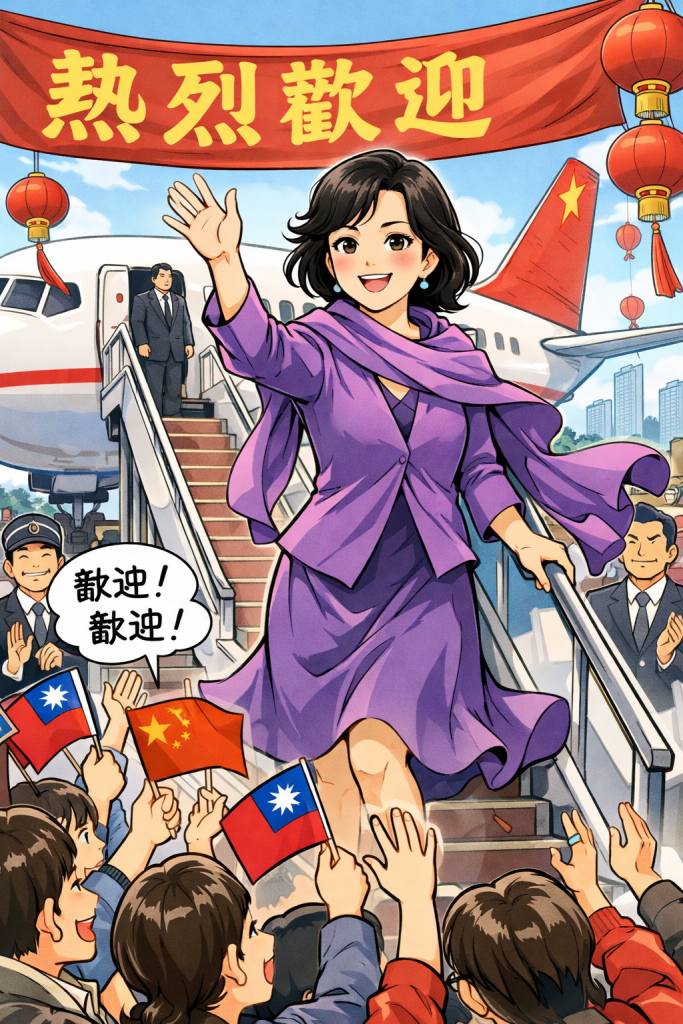
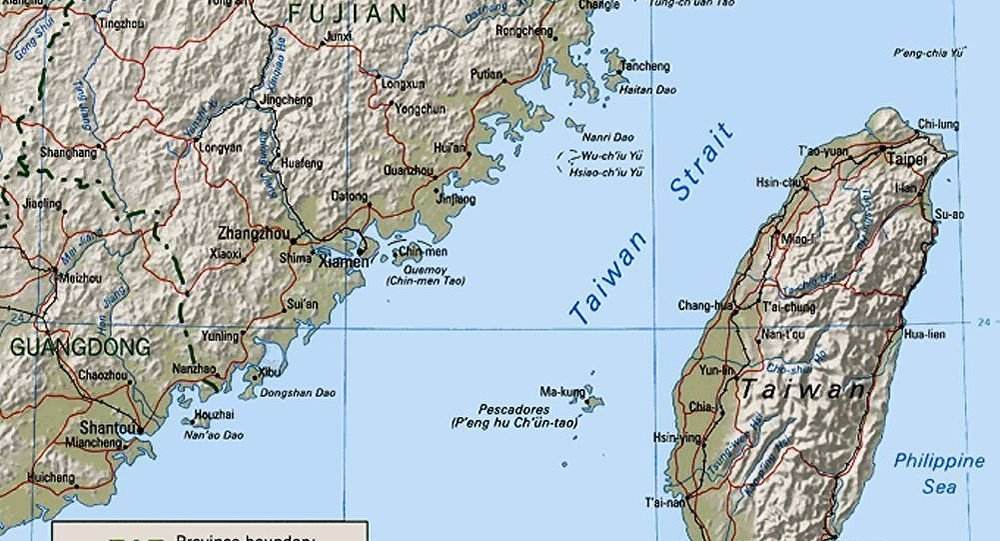
在兩岸關係陷入冰封、台海波濤洶湧之際,中國國民黨主席鄭麗文率團訪問大陸,並獲中共中央總書記習近平接見,無疑投下一枚震撼彈。有人稱之為「破冰之旅」,有人斥之為「抱大腿」,更有人在民調數字中尋找唱衰的證據。然而,若僅以一時的選舉民調或政黨好感度來評斷這趟行程的歷史意義,無異於見樹不見林。本文試圖從更深的歷史脈絡——國民黨左派精神的傳承與異化、大陸改革開放以來的自我革命、以及當前國民黨內部的路線鬥爭——重新審視「習鄭會」所標誌的兩岸關係可能轉折。
一、歷史的伏筆:左派精神從大陸到台灣的曲線延續
國民黨左派的傳統,可追溯至孫中山先生「聯俄、聯共、扶助農工」的三大政策。以廖仲愷、宋慶齡、鄧演達為代表的左派力量,主張通過國共合作實現民族獨立與社會公正,將國家民族整體利益置於一黨一派私利之上。這條精神脈絡在1949年後分為兩支:一支在大陸以「中國國民黨革命委員會」的形式成為參政黨;另一支則跟隨國民黨撤退來台,在白色恐怖與威權轉型的夾縫中蟄伏。
在台灣,這條左派精神的傳承並未中斷,而是轉化為一種獨特的「民族認同優先於政體符號」的價值排序。從邱念台到連戰,從洪秀柱到鄭麗文,這批政治人物的共同特徵是:他們不執著於「中華民國」的法統符號,而是將「中華民族」作為終極認同。洪秀柱敢於說出「統一是終極目標」,鄭麗文公開表示「我是中國人」,連戰開啟2005年「和平之旅」——這些行動的本質,都是讓政體符號服從於民族復興的大義。
這與傳統藍營(如馬英九時期的「不統、不獨、不武」)形成了根本區別。後者將「中華民國」框架視為不可動搖的底線,在兩岸關係上採取模糊、迴避的態度,實質上走向了「維持現狀」的無限延長。而左派脈絡的政治人物,則試圖超越國共內戰的歷史傷痕,在民族層面上尋求和解與統一。
二、現實的考驗:鄭麗文與黨內右派的正面對決
鄭麗文自2025年10月當選國民黨主席以來,便與黨內所謂「右派」勢力展開了激烈鬥爭。這股右派力量主要由兩股勢力構成:
一是延續李登輝「台灣優先」思維的派系,主張在兩岸議題上保持模糊;
二是親美保守派,擔憂過度親中會影響對美關係。這兩股勢力的共同點,是對兩岸議題採取保守、迴避的態度。
鬥爭的主要戰場有三:
第一,路線之爭。右派主張繼續馬英九時期的「不統、不獨、不武」,而鄭麗文則堅持將「堅持九二共識、反對台獨」正式寫入國民黨黨章,明確表達兩岸同屬一中。她的邏輯很直接:「若國民黨不敢碰兩岸,穩死。」在民進黨不斷推進「台獨」議程時,模糊只會讓國民黨邊緣化。
第二,人事鬥爭。2026年3月底,被視為鄭麗文重要副手的國民黨副主席蕭旭岑,遭馬英九辦公室前核心幕僚金溥聰「出手」趕出馬辦,被解讀為親美派對親中派的逆襲。一時間黨內傳出「鄭麗文恐怕幹不久了」的耳語。
第三,軍購議題的角力。黨內有人主張同意9000億元新台幣的「特別軍事預算」,與國民黨中央敲定的3800億版本形成巨大反差。鄭麗文嚴正駁斥「以軍購作為兩岸交流交換條件」的傳言,強調兩岸交流的基礎只有「九二共識、反對台獨」。
面對這些壓力,鄭麗文展現了相當的政治意志。她明確表示「北京我去定了」,並在訪陸前夕赴慈湖向蔣介石謁陵,強調「希望國共內戰的歷史悲劇不再重演」。前立法院長王金平也給予支持,稱此行是「開路、避險、保平安」的重要契機。
三、民調的迷思:如何看待「在野會面」的效益?
反對者最常提出的質疑是:國民黨民調創新低,在野會面無實質效益,甚至譏諷為「乞丐抱大腿」。我們必須正視這些批評,但也需要更全面的分析。
根據《美麗島電子報》2026年3月民調,國民黨好感度從1月的34.4%下降至28.3%,確實處於低點。但同一時期,民進黨好感度也下降0.3%,民眾黨更暴跌5.0%。這波下滑與立法院軍購預算攻防、總預算審查僵局等整體政治環境有關,並非單一事件所能決定。
更重要的是,根據《Yahoo奇摩》超過4.6萬人的網路投票,44.2%看好「鄭習會」,高於不看好的32.3%。換句話說,即使在野會面,仍有相當比例的民眾認為有其價值。那麼,「在野會面」的效益究竟何在?
第一,政治效益:在年底「九合一」選舉前,國民黨需要向選民證明其具有管理兩岸風險的能力。當民進黨執政下兩岸觀光中斷、交流限縮、台海兵凶戰危時,一個能夠重啟對話窗口的在野黨,並非毫無價值。
第二,戰略效益:前立委郭正亮分析,大陸將「習川會」安排在鄭麗文訪陸之後,是「接哏」鄭麗文提出的「兩岸和平選擇」訴求,向美方傳遞「兩岸有和平選項」的信號,同時也抑制了國民黨內部的路線之爭。
第三,社會效益:廈門大學學者張文生指出,鄭麗文喊出「我是中國人」,讓多年來被壓抑的台灣主流民意「打破了沉默」。事實上,台灣民眾對「中華民族」認同高達72.8%,甚至過半民進黨支持者也認同自己是中華民族。這股力量長期被綠營的話語霸權所壓制,鄭麗文的路線正是試圖將這股沉默的力量轉化為政治行動。
四、大陸的自我革命:統一的說服力來自治理效能
任何對兩岸關係的嚴肅討論,都不能迴避一個根本問題:統一對台灣民眾的吸引力何在?這不僅是民族情感的召喚,更是治理效能與生活方式的比較。
大陸改革開放以來,經濟快速發展,但也出現了「四風」問題(形式主義、官僚主義、享樂主義、奢靡之風)。部分黨員幹部在富裕後丟棄了艱苦樸素的傳統,追求奢靡生活,引發民眾不滿。中共高層對此有清醒認識,習近平總書記深刻指出「奢靡之始,危亡之漸」。從「八項規定」到反「四風」,再到十八大後前所未有的反腐力度,大陸正在進行一場深刻的「自我革命」。
這場自我革命的意義不僅在於內部廉政,更直接影響台灣民眾對「統一」的認同。一個清正高效的治理體系,是「兩岸命運共同體」說服力的基石。若大陸能持續通過法治化手段遏制特權、縮小貧富差距,將強化「民族復興」相對於「政體爭議」的吸引力。反之,若內部奢靡之風蔓延、腐敗橫行,則正好被「台獨」勢力用作「民主VS專制」的宣傳彈藥。
因此,大陸的反腐與作風建設,與鄭麗文在台灣推動的「民族認同優先」路線,實質上是在不同場域回答同一個問題:一個以民族復興為己任的政治力量,如何保持理想不異化、如何贏得並守住民心?
五、未來之路:從「孤臣」到「共識構建者」
鄭麗文當前最大的困境,在於她的路線在台灣內部面臨「上下不靠」的結構性壓力:綠營將她妖魔化為「投降派」,傳統藍營則質疑她挑戰了「中華民國」的神主牌。她的主張帶有某種「孤臣」或「理想主義」色彩——這與當年國民黨左派在白色恐怖下的處境,在精神氣質上確有微妙呼應。但「孤臣」心態能否轉化為有社會基礎的政治行動?這是接下來最值得觀察的關鍵。
我們認為,這條路線若要成功,需要在三個層面上同時推進:
第一,激活兩岸共同歷史記憶。左派精神中的「反帝反殖」、「社會公正」等價值,是兩岸共同的歷史遺產。通過建構超越意識形態的民族敘事,可以弱化統獨爭議的對抗性,讓更多台灣民眾認識到,統一不是「被併吞」,而是民族復興的應有之義。
第二,以融合發展替代制度之爭。經濟上,通過閩台融合示範區、兩岸共同市場等機制,讓台灣民眾實質受益;社會上,擴大台胞參政、就業、教育等「同等待遇」,使「命運共同體」可感可觸。這可以逐步消解「政體優劣」的抽象爭論,轉向對民生福祉的具體關注。
第三,區分「反獨」與「促統」的階段性策略。當前台灣民意仍以「維持現狀」為主流。可以先聚焦反「台獨」底線,團結藍綠溫和力量,再通過文化、經濟紐帶逐步擴大統一認同,避免「孤軍突進」。
六、結論:民族復興框架下的歷史抉擇
「習鄭會」的意義,不僅在於國共互動的再啟,更在於它標誌著兩岸關係可能從「維持現狀」的被動困局,轉向「追求統一」的主動探索。
對大陸而言,需要以治理現代化證明統一後的制度優越性,讓「民族復興」不僅是口號,更是可感可知的生活現實。
對台灣左派精神傳承者而言,需要將「孤臣」情懷轉化為社會動員能力,在民生議題中積累認同基礎,讓「我是中國人」不再是被打壓的禁忌,而是堂堂正正的價值選擇。歷史已經證明,左派精神的生命力在於超越一時一地的政治算計,立足於民族整體利益與社會公平正義。今日兩岸需要的,正是這種格局與智慧。
鄭麗文的實驗才剛剛開始。前方的路必然崎嶇——民調的起伏、黨內的鬥爭、綠營的追殺,都將是嚴酷的考驗。但正如她自己所說:「國民黨若不敢碰兩岸,穩死。」同樣,兩岸關係若永遠停留在模糊與迴避之中,只會在對抗的漩渦中越陷越深。
唯有當「中華民族復興」成為兩岸民眾的共同願景,政體符號的爭議才能找到動態解決的彈性空間。這不僅是鄭麗文的挑戰,也是所有關心兩岸命運的人的共同命題。


 奮 起
奮 起 