The most significant outbreak is among the state’s urban and rural Latino populations. Among cases where the patient’s race is known, 55 percent of California’s infections have been in Latinos, who make up just under 40 percent of the state’s population. Latinos and Hispanics are bearing the brunt of the pandemic not only in California but along the entire West Coast, including Oregon (38 percent of cases where the patient’s race is known vs. only 13 percent of the population) and Washington (44 percent vs. 13 percent).
In California, the infected are predominantly low-income, densely housed front-line service workers. Leaving home to work each day, they are exposed to the virus. When they return, it spreads in their households, which are often multigenerational. The consequences are striking. In late April, professor Gabriel Chamie and colleagues from the University of California at San Francisco studied 3,953 individuals living in a single census tract in the Mission District of San Francisco. While the estimated prevalence of infection among non-Latinos in this population was 0.2 percent, for Latinos, it was 3.9 percent — nearly 20 times higher.
Another of California’s sub-epidemics has been among people who, upon the state’s reopening, have failed to treat the virus as real and dangerous. They seem unable or unwilling to distance themselves from others and wear masks begrudgingly, if at all. From the beaches and bars of Southern California to backyard barbecues in the Central Valley to a fraternity house in Berkeley, failure to heed safety warnings has inexorably pushed the incidence of infection higher.
In addition, there have been explosive outbreaks in institutional settings in California. As in the rest of the country, California’s long-term care facilities, such as skilled nursing and assisted-living facilities, have been particularly vulnerable; overall, 47 percent of Californians who have died of covid-19 have been nursing home residents.
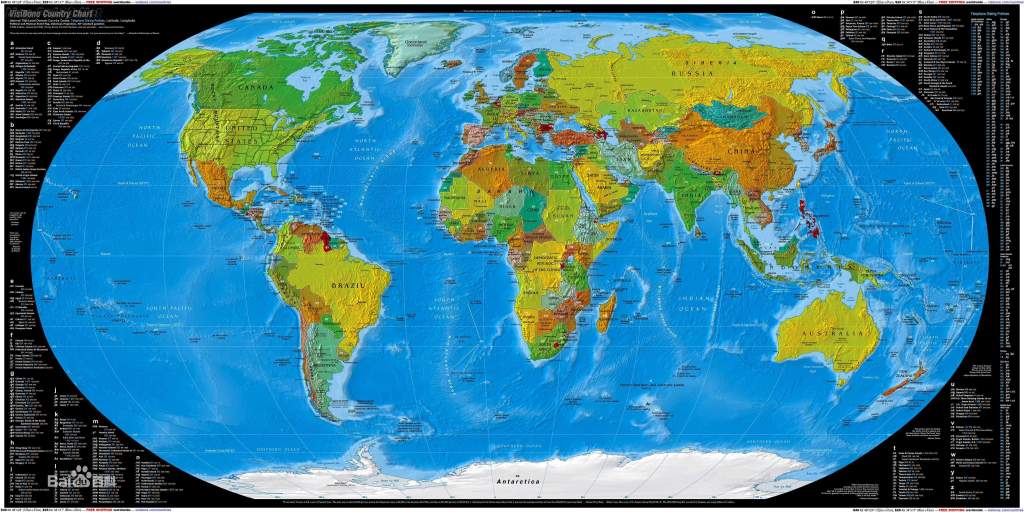
Thomas Friedman的《世界是平的》這本大作這幾年受到不少批評。但是筆者一直都認為,他雖然採取一種以美國的資本家角度出發的史觀,來解釋21世紀人類經濟與社會的發展走向,他認為全球化推行得越徹底,全球戰爭發生的機率就會越低,國與國之間的關係就會越緊密,分工也會越細緻….,這個論點我還是很同意的。




 奮 起
奮 起 